BOOK & PILOT REFERENCES

THE STORY BEHIND THE MEMOIR

BOOK SYNOPSIS

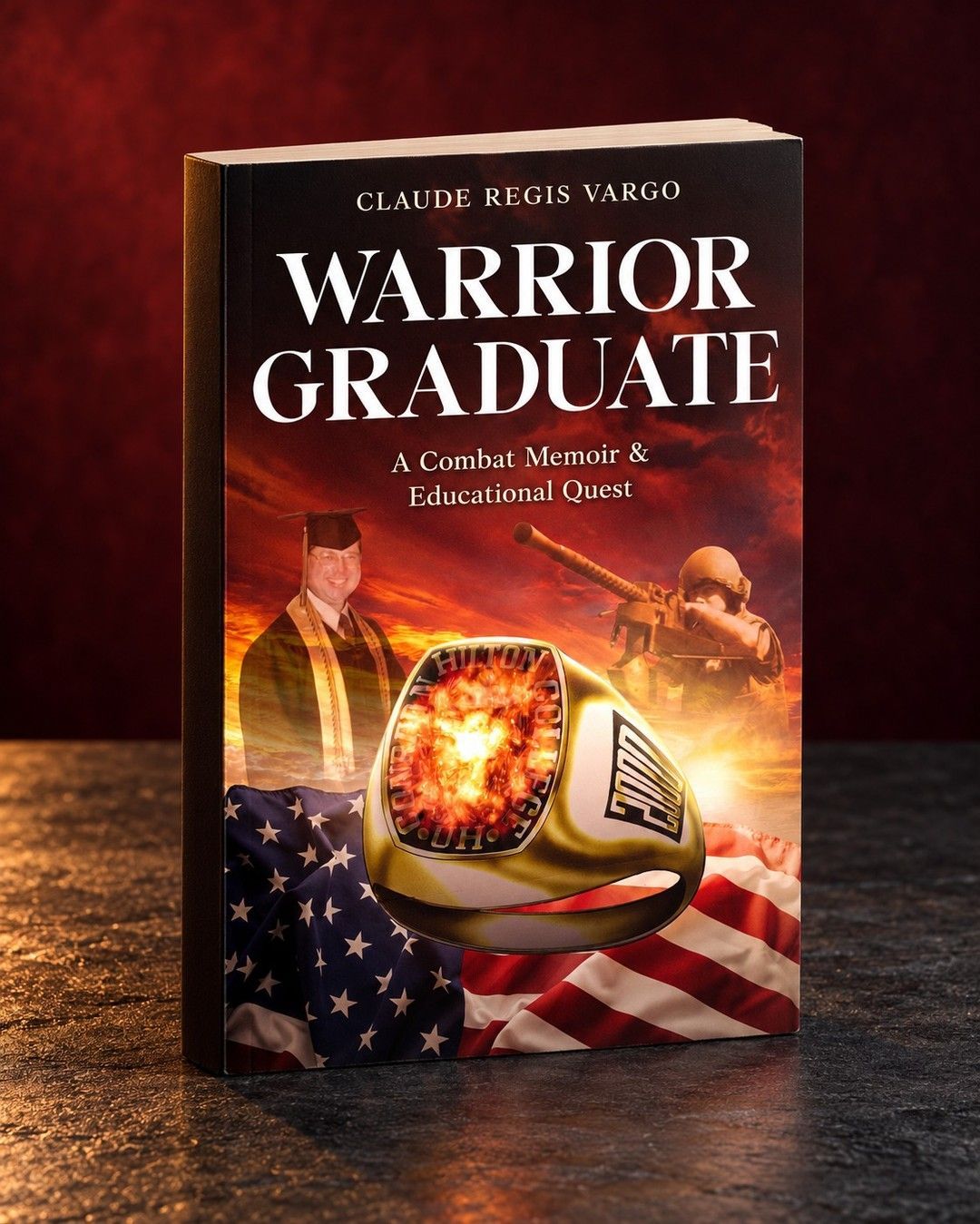
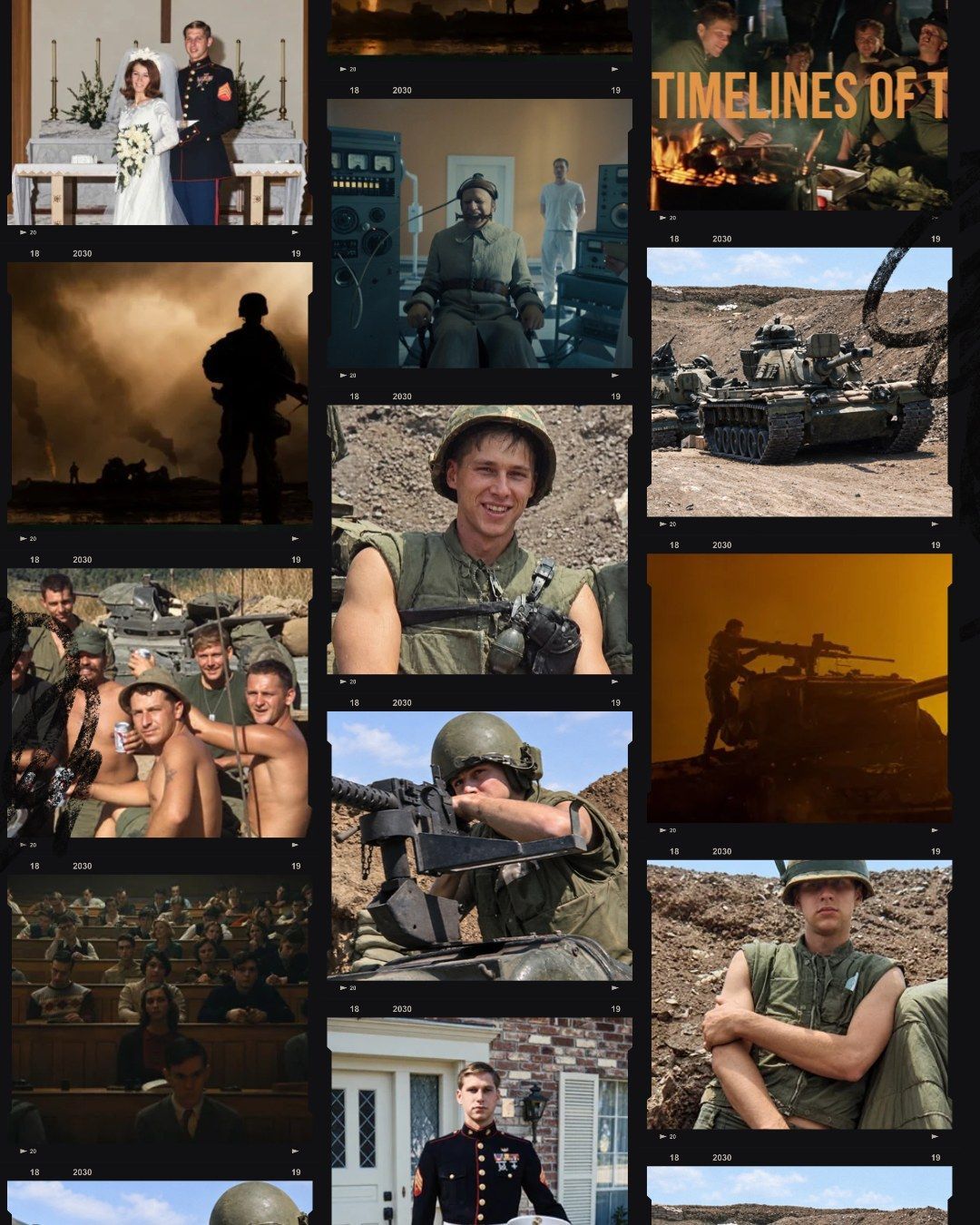
Follow Claude Regis Vargo’s extraordinary journey. Fall in love with the lifestyle the world's beautiful hotels; survive the sieges of the hell-holes of Hue and Khe Sanh, Viet Nam. Here is a tale of endurance, perseverance and redemption, and a courageous ride through the many lives of Claude Regis Vargo that you will not want to stop reading.


In this engaging, compelling, and inspiring book, Claude Vargo mesmerizes the reader. He eloquently describes his life and the hard work that transformed him from being a youthful academic failure to graduating summa cum laude in two years.

BOOK WARRIOR GRAD TO BE RELEASED SOON.

GET IN TOUCH
  • Slide title

    Write your caption here
    Button

ABOUT CLAUDE VARGO

A Remarkable Life of Courage, Knowledge and Creativity

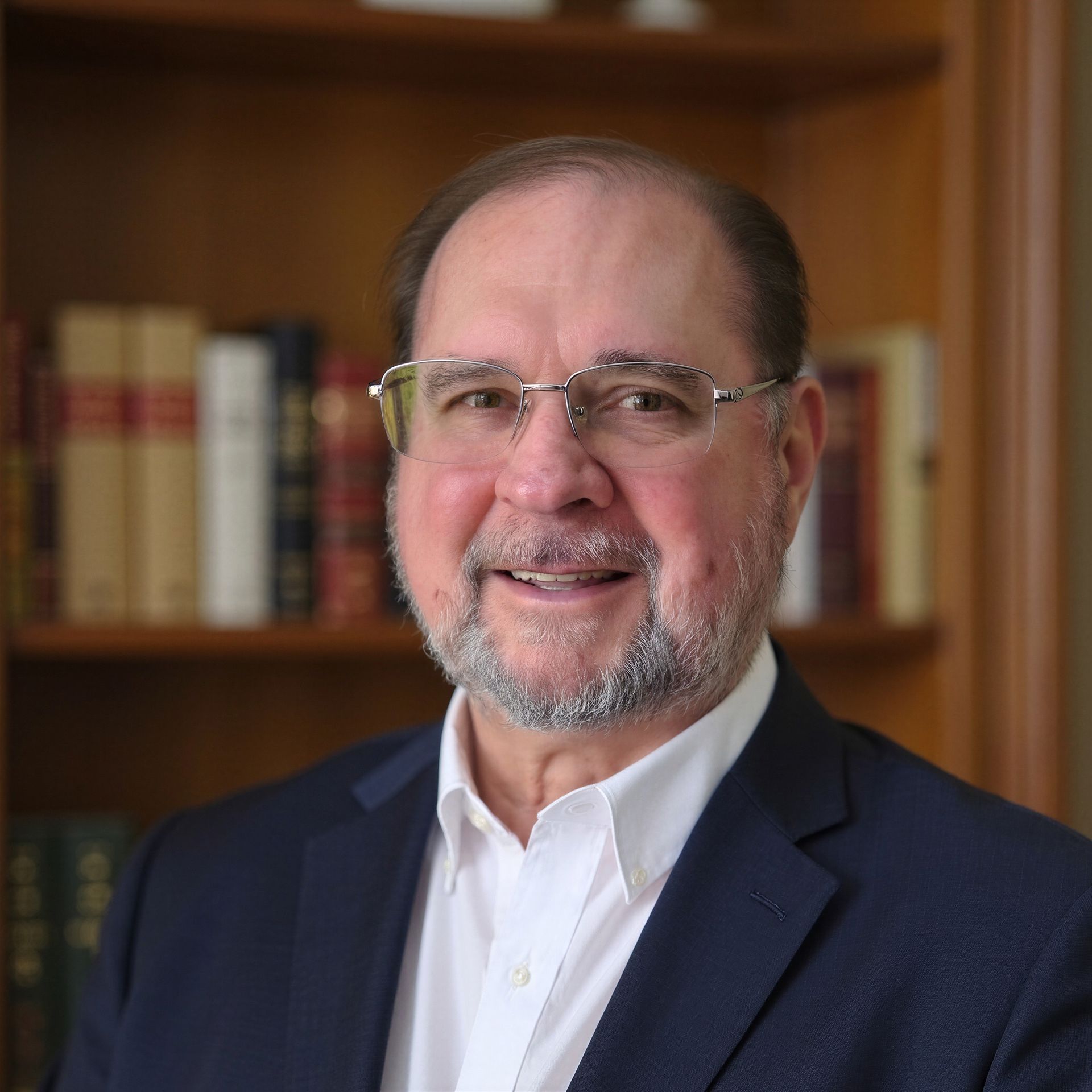
Claude's journey is anything but ordinary. A summa cum laude graduate with a B.S. and M.H.M. in Hospitality Management, he pursued advanced studies at Cornell (Hotel Finance), Harvard (Visual Arts & Architecture), and the Sorbonne (French Language & Culture). He is also a highly decorated U.S. Marine Corps Combat Tank Commander who has inspired countless veterans through public speaking, offering them hope through his powerful memoir, Warrior Graduate.


After years of consulting for global, multi-billion-dollar hotel brands and raising a dynamic family, Claude turned his creative focus to songwriting, constantly seeking his stories to tell. Never one to sit still, Claude Regis Vargo is a genre-blending music creator whose eclectic catalog spans Rock, Pop, Hip-Hop, Country, Gospel, and Jazz. Available on Spotify, Songbay, and major streaming platforms, his songs carry a distinct poetic depth and global touch at Xregiis.com.

GET IN TOUCH

STORIES THAT INSPIRED THE JOURNEY

MARKETING GRID

BOOK EXCERPTS 

Frequently Asked Questions
    READY FOR COMBAT ~ READY FOR COLLEGE ~ FOUR PAGES

        Semper Fi or Die: Khe Sanh, Vietnam


        Our plane from San Francisco to Anchorage slid sideways on the runway upon landing, marking the worst flight of my life, that is, up until our next descent in South Vietnam. As we flew right over Da Nang airport, and the plane suddenly corkscrewed and plunged straight down, narrowly missing the enemy flak. Who knew that a commercial Boeing 707 could nose-dive as steeply as a bomber (and with my stomach just ahead of the plane)? Thanks to the pilot’s expertise and sheer luck, we escaped further flak and surface-to-air missiles .


        Not long after, our next “thrilling” military flight shoved my stomach up into my Adam’s apple as we choppered into Khe Sanh, next to the DMZ. Twenty-five of us were crammed aboard a CH-46 Sea Knight helicopter, commonly known as a “Phrog.” We hovered in the thick fog that hung over the plateau for what seemed like eternity. Finally, the back loading ramp magically opened and a mist drifted in and out, much like our shallow, guarded breathing. Behind the crew cabin, slowly blinking red lights warned of the impending danger.


        The pilot shut off the engines, and there was dead silence, except for the wind whistling through the cabin and our hearts pounding. We hit the ground, did a dead-cat bounce, and the jet engine turbines on the CH-46 shrieked back to life louder than the mortars, artillery, and rockets that poured in underneath and all around us. A blaring voice from a bullhorn screaming “Depart orderly but quickly,” compounded the confusion.


        In my head I was screeching, “Are you freaking kidding? It’s every man and boy for himself, now!” and as the jets restarted, the chopper’s front end lifted, and we newbies spilled out on chopper on top of one another like rolling dice. Then the chopper hit its afterburners and vanished, leaving us to fend for ourselves.


        I dropped my duffel bag, along with my lunch, right there on that tarmac, a couple of miles from North Vietnam. I didn’t ask questions but instinctively dove into the first trench and bunker I found. The walls were corrugated metal, damp from constant moisture; lights inside flickered as the gas generators strained to keep up with the electrical demands of war. The odor was a cross between biology lab and the French Quarter in New Orleans—noxious and damp—with humidity at 99 percent.


        Two punch-drunk ghouls inside the bunker were dressed in half civilian attire, with no visible rank, insignia, or identifying service patch. They were calm as cucumbers and passed a joint between them. I smoked cigarettes like all Marines, but had never smoked marijuana. If those ghouls had passed it to me, I would have sucked that whole joint down in one drag to calm my shattered nerves. Once the shelling abated, I began collecting my wits when one of them chucked a packet of C-ration (C-rat) toilet paper at me, ostensibly to clean myself up, then laughed profusely. The other said, “Welcome to hell!” I hastily left that bunker and as I turned, I saw a sign that read:


        Graves Registration

        Please take a number.

        You could be next!


        Once outside, I saw Army medics and corpsmen on or near the tarmac dragging screaming wounded onto stretchers toward Charlie Med, the hospital in another dirt bunker, or dead bodies to graves. Some guys I had flown with on the chopper were there, injured upon landing. This was the first time I heard human beings screaming in agony. The surrealistic scene clashed with my image of the life-size Marine posters in the post office back home.


        Behind those soldiers was another group of troops rapidly repairing the rocket-laden blast holes in the twisted-metal tarmac. It all looked methodical, choreographed, rehearsed. These were the Navy “Seabees” (Construction Battalion, CBs) and they were among the bravest men I ever saw. Never knowing when one rocket or artillery attack would end and another would start, but they rode forklifts and Caterpillar® tractors with their unit’s flags proudly flying aloft, like it was an ordinary day at the jobsite. I saw one guy running around, yelling at the adjacent mountain peaks, with a red target painted on the back of his flak jacket.


        25


        I hid in a trench alongside the runway, standing in ankle-deep water with baby rats paddling, bobbing, and floating all around me. I heard the NVA snipers pinging at the scurrying and zigzagging Seabees. My bladder was full and my urinary tract burning. There was no sign for a “head” or a piss tube, and I didn’t know whether to let it go in the trench, find a nonexistent tree, or try to find a damn head somewhere. This was definitely something we had not been taught in boot camp, infantry training, or specialized tank training classes.


        Khe Sanh, like all military encampments, was divided into different colored sections so dumb-asses and FNGs, like me, would know where they were going: blue was North, gray was East, and red was West. But I didn’t know where I was going. If anyone back at Camp Carroll had said where to go for orientation once I got here, I sure as hell couldn’t remember now. So, I ran perpendicular to the arc of those freaking missiles, not giving a damn which sector I was running to, only what I was running from.


        I must have missed the lecture in basic training about the rockets, missiles, artillery, and mortars now raining down on me. Or the class that taught about the enemy—divisions of tens of thousands of battle-trained and hard-core equipped NVA regulars—as close as 100 meters outside our perimeter—ready to close-in and lock horns. Later in that siege, several Russian tanks and aircraft were reported adjacent to the base, just when U.S. President Johnson was arguing with some Joint Chiefs of Staff about the nuclear option, just in case. Funny, I just never thought of myself as an “option” or a “just-in-case.”


        On this first day in Khe Sanh, I was sprinting blindly, clutching my duffel bag in front of me, when suddenly I felt something hit the duffel bag...hard. I felt like Jerry Ellis holding a punching bag when Mohammad Ali let loose with his best punch to my solar plexus. Something exploded but I never heard it and it probably had my name written on it by some gook on a Co Roc mountainside (NVA stronghold) just inside Laos. The round hit so close that I ran right into the hole it created in the ground ahead of me. thankfully, the only wound I got was to my pride because my duffel bag was shredded like a gutted stuffed animal with my skivvies falling out. I grabbed my stuff out of the mud with both arms and ran as fast as I could, cradling the remains of my bag like a thirty-pound tumor. There would be no Red Badge of Courage, no Purple Heart, and no body bag for me this day. But the war wasn’t over yet. For me, it had just begun.


    READY FOR COLLEGE

        A Tortuous Decision: Taking the Plunge


        “Action is the real measure of intelligence.” Napoleon Hill, author


        Deciding whether to go back to school became a 24/7 obsession. My “negative list” of why I could never succeed in college or should not risk the burden it would place on family life and finances. These negatives became my mantra: playing over and over, like a bad song stuck in my head. There was no relief. I heard it clearly above the ringing and pounding of my tinnitus.


        I wanted the better things in life: better employment, decent non-restaurant hours, and a single shift, instead of seven days a week at double and triple shifts. Looking back over my career, I realized that at one job, I worked five years without a day off and, at another, slaved seven years in a row interrupted only by hospital visits for ulcers, high blood pressure, panic attacks, and the like. I wanted off this hamster wheel and I was willing to do anything to achieve that...well, almost anything.


        Sometimes I pictured myself in a surreal vignette, going through life like I’m in a cafeteria, at the end of the line near the cashier. It’s easy to choose what you want and to select the order in which you want it.


        In life, as in making choices in the cafeteria line, the least of my concerns has been balance. After perusing all the food sections and making my selections, I’d sometimes get to the end of the line, look at my tray, and realize that my meal wasn’t balanced. I’d look back and see what I should have gotten. So, I’d exchange the items or, worse, hand my tray to the cashier and start over.


         As I contemplated returning to school, it seemed like each major decision in my life was a dish on my tray and, from the beginning, I had not made wise choices at each stage. Now, the cashier of life was upon me and it was too late to change my mind. I couldn’t go back; I had to go forward with what I had on my plate. My only option was to make the next choice wiser than the last. This insight marked another turning point because everything was coming to a head and I could feel it.


        Next came an unexpected event that pushed me closer to resolving the should-I-go-to-college decision. Gloria’s cousin was diagnosed and died from brain cancer in a matter of months. Dr. Alvis McConnell was just a few years older than I and served in a ’Nam the year before I arrived. We missed meeting each other overseas by a matter of days, if not hours.


        One sleepless night not long after Alvis’ death, I stumbled on an infomercial by Anthony Robbins preaching how he and his course could change my life. I’d heard this hype from others countless times and even took several self-help courses, with little or no results. But this looked different and I decided to try. I was always chasing goals that didn’t end in success or the kind I wanted. Tony’s course was definitely different and made sense. It was a thirty-day course which I finished in about half the time.


        While listening to one of his Personal Power II cassettes, Tony told me to do something, right that instant, toward a goal that I was contemplating. Something. Anything. Just do it now! He added that if I was driving, I was supposed to pull over  and do it! So, I pulled over to call from a phone booth (my cell phone had been cut off again and I had no change). I doggedly dug under my car seats and found a quarter on the floor.


        That 25 cents changed my life forever.


        I used that quarter to call the University of Houston registrar’s office to fulfill my commitment to Tony to take action. But just like in the cafeteria line, the way I approached it also allowed me to change my mind or back out easily. I got a nice-sounding man who genuinely wanted me to register. When he explained that official registration had  ended the prior week, I was ready to hang up. But then he added that late registration was ongoing for another two days. He asked my name so we could set a time to come in and register.


        When I told him my name, he surprised me by saying cheerily, “Claude! This is George, George Nolan. I know you from Nanny’s, the restaurant across the street. I’m sorry it had to close. I know you remember me and my wife, Phyllis. We used to come in a couple times a week. You were always so gracious and bought us an appetizer or dessert on occasion. OK, now it’s my turn to buy you lunch. Let’s meet for lunch tomorrow and be sure to bring all your papers. We’ll get you all set up.”


        I was stunned, shocked, totally off guard. When he asked me for my phone number, I acquiesced. He told me to meet him at Barron’s Restaurant at the Hilton Hotel on the UH campus.


        I hung up the phone not once, but twice. Even harder the second time and mumbled, “Why didn’t I hang up earlier? Why did I make such a foolish commitment? Now that he has my home phone number, I can’t back out. If I meet with him, he’ll see my terrible academic track record.” I felt like such a phony. How could I have put myself in this no-exit situation? No matter which way I went, this was heading to inevitable embarrassment and disappointment.


        TIP: Dare yourself to take the first step.


        After a second sleepless night, I met George, who was glad he could return the favor from the past. After some chitchat about our wives, family, and the vacillating Houston weather, he got around to the reason we were there. He asked me if I had brought any transcripts, diplomas, and the like. I had to be upfront and tell him the sordid details of my past education. I told him I’d gotten kicked out and been asked to leave St. Thomas in ninth grade, had never graduated high school, and had not taken the SAT exam. I almost gave up.


        I wanted to tell him that I really couldn’t do this, but thanks for lunch. Instead, George reassured me and suggested that I take just a couple of classes the first semester and step-by-step, together, we’d overcome the hurdles. I never saw this coming: George’s offer of help marked a major educational turning point in my life.


         One of George’s assistants looked over my humiliating academic records. My transcript from San Jacinto Junior college was just enough to squeak in. That transcript had been untouched for almost thirty years, so it met the “sealed tight” requirement for the veteran’s GI bill. The courses I took amounted to a lot of Ds, Fs, Incompletes, and Withdrawals. Ironically and luckily for me, the three hours that finally got me in were from a mandatory flame-throwing class I had taken in the military. (In truth, it had been a class for military flame tanks, not for “Tableside Cooking,” as the assistant recorded it.) George and this assistant were only two of many people who helped me in these initial steps toward earning a college degree.


        When I thanked George before leaving, I asked why he had never lit the cigar that always appeared in his mouth after he lunching at my restaurant. He always guillotined the end with great care, savored the aroma when fresh out of its glass tube, but he never lit up, even though his regular table at Nanny’s was in the smoking section. George said that he was waiting for a special occasion and surprised me by adding, “I’ll tell you what. When you walk [at graduation], I will personally come to the ceremony and light it up to toast the occasion.”


        I smiled in tenuous agreement and thanked him. Then, shrugging my shoulders and raising a doubting eyebrow, I said, “If I do and you do, I’ll light it with a fitting gold Dunhill lighter.”


        Within a few hours, I was registered at the University of Houston, had picked hotel and restaurant management (HRM) at the Conrad N. Hilton College of Restaurant Management as my major, and selected political science and English for my first two classes. I felt like Robert Redford at the end of the movie, The Candidate, when he won a senate seat in a long-shot election and, as reality set in, looked at his advisors and asked something like, “Now what do we do?”


        After closing my fouth restaurant (three of them mine), enduring Alvis’ passing, and getting a push from both Gloria and George Nolan, I took the plunge into college. This time, there would be no turning back.
STORIES THAT INSPIRED THE JOURNEY

BOOK REFERENCES

The Education of Corporal John Musgravs ~ John Musgrave

A Marine's searing and intimate story of combat and writing poetry about it.

Combat To Conservation ~ F.J. Fitzgerald

A young Marine is critically wounded and grapples with PTSD, eventually finding healing and purpose by immersing himself in the wilderness and conservation.

Invisible Storm ~ Jason Kander

A rising political star and veteran battles severe PTSD while on the cusp of national success to confront his mental health and begin healing through immersion.

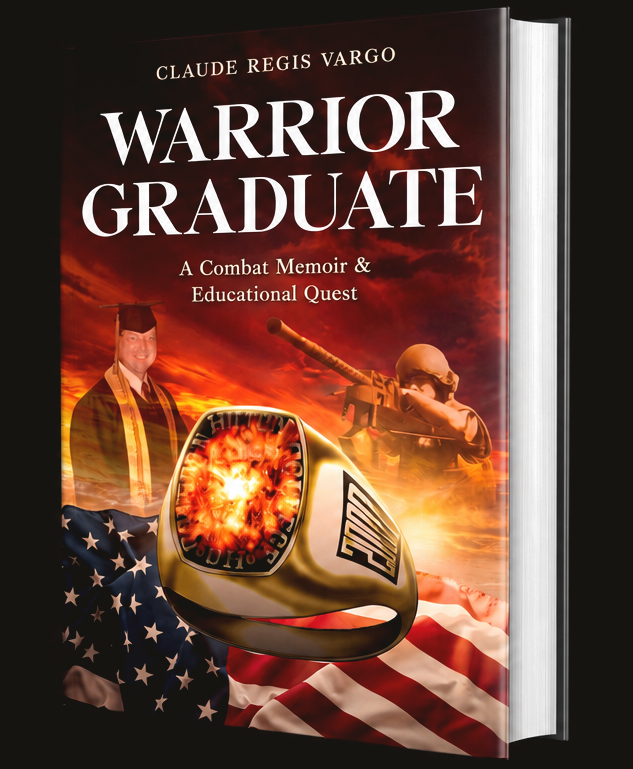
Warrior Graduate ~ Claude Regis Vargo

A troubled youth who chisels his cave to a survivalist’s intellect out of a Marine tank survives the collapse of a psychiatric ward. The battle-hardened commander wages a strategic siege on the world’s most elite academic institutions to reclaim his legacy as a "Warrior Graduate."


STORIES THAT INSPIRED THE JOURNEY

WHY NOW

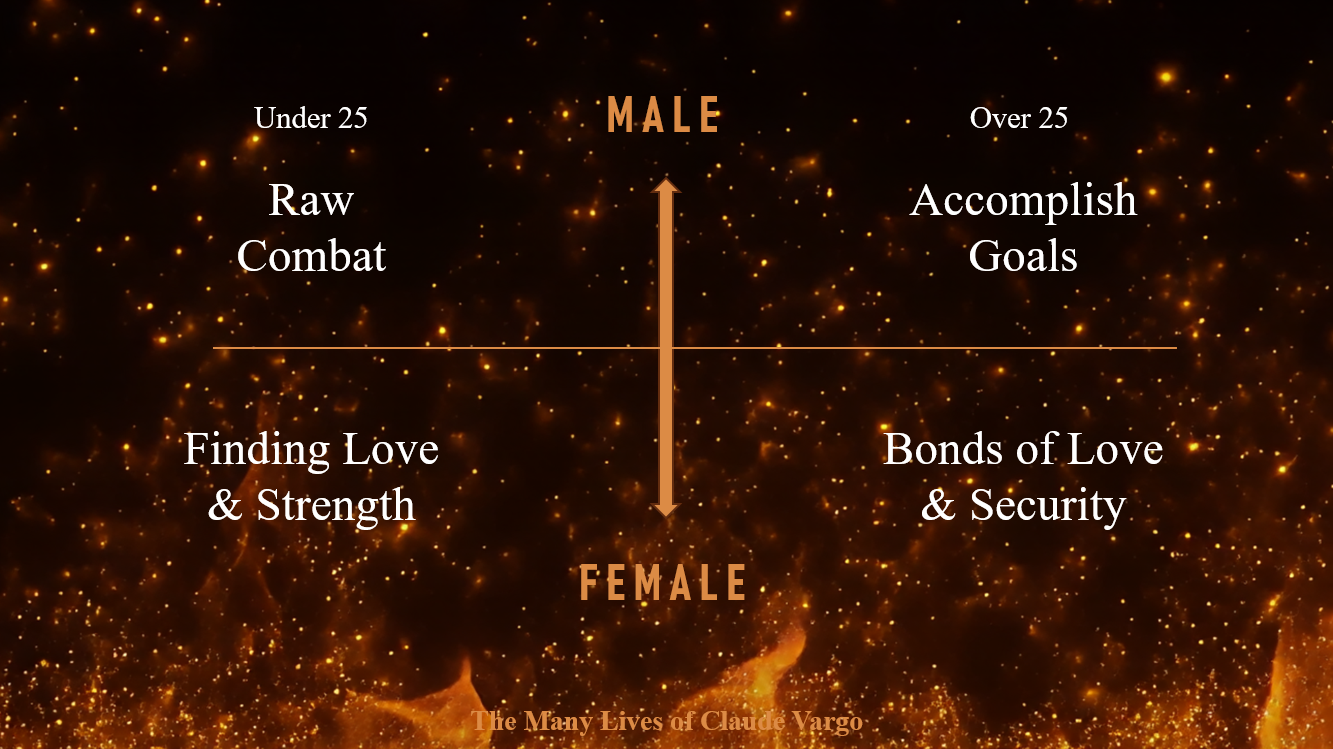
"There is strong market demand for memoirs grounded in authentic, hard-won experience—stories written by those who have lived through seismic historical events and succeeded with purpose and reinvention. The contrast between the visceral intensity of combat and the disciplined hall of higher learning provides a powerful visual and narrative arc—ideal for screen adaptation and episodic drama." 

FOLLOW ON INSTAGRAM